ΙΦΙΓΕΝΕΙΑ: Η ΘΥΣΙΑ ΠΟΥ ΔΕΝ ΕΓΙΝΕ
Τι σημαίνει πραγματικά το όνομα Ιφιγένεια;
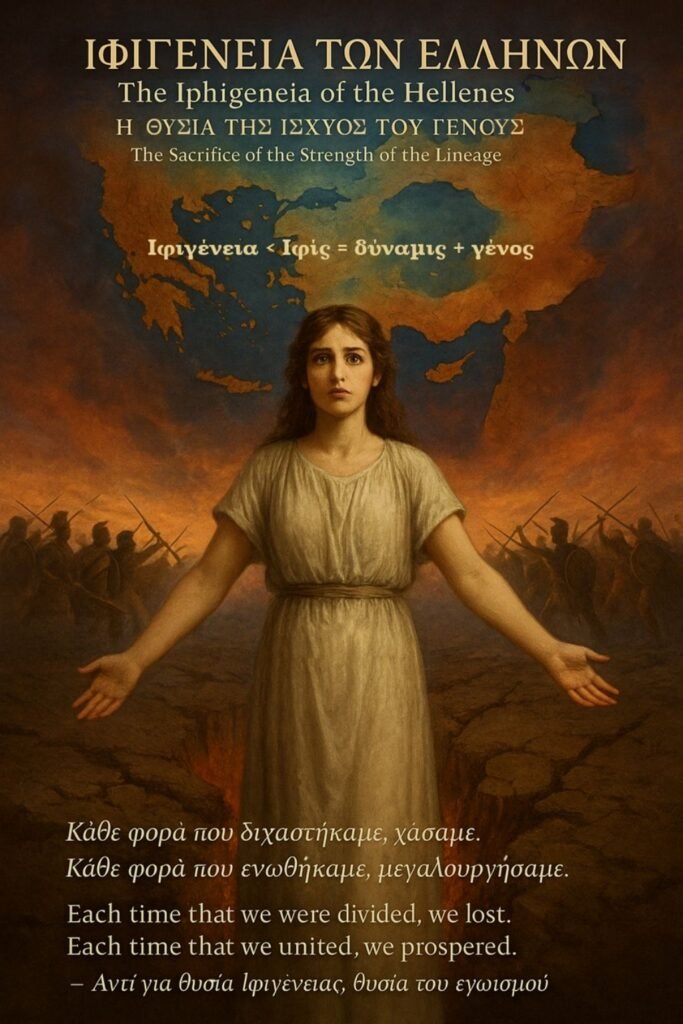
- Αρχαία Ρίζα: Ίφις (ἶφις) = ισχύς, δύναμη + Γένος = σόι, φυλή, καταγωγή.
- Ετυμολογία: Ιφιγένεια = «Η Ισχύς του Γένους».
Η Ιστορία:
Πριν από τον Τρωικό Πόλεμο, οι Έλληνες θυσίασαν την Ιφιγένεια στην Αυλίδα για να πάρουν ούριο άνεμο για την Τροία — ή έτσι νόμιζαν. Στην πραγματικότητα, θυσίαζαν κάτι πολύ βαθύτερο:
- Την ισχύ της ίδιας τους της ενότητας.
- Τους δεσμούς του κοινού αίματος, της γλώσσας, των θεών και των αξιών.( Το Ομαιμον, το ομόγλωσσον ,το ομόθρησκον, το ομότροπον.)
Όμως η Άρτεμις, η θεά της πρόνοιας, παρενέβη. Έσωσε την Ιφιγένεια και μαζί της ένα σύμβολο: Το Γένος πρέπει να επιβιώσει, δεν πρέπει να προσφέρεται θυσία στον εγωισμό ή στον πόλεμο.
ΙΦΙΓΕΝΕΙΑ ΤΩΝ ΕΛΛΗΝΩΝ
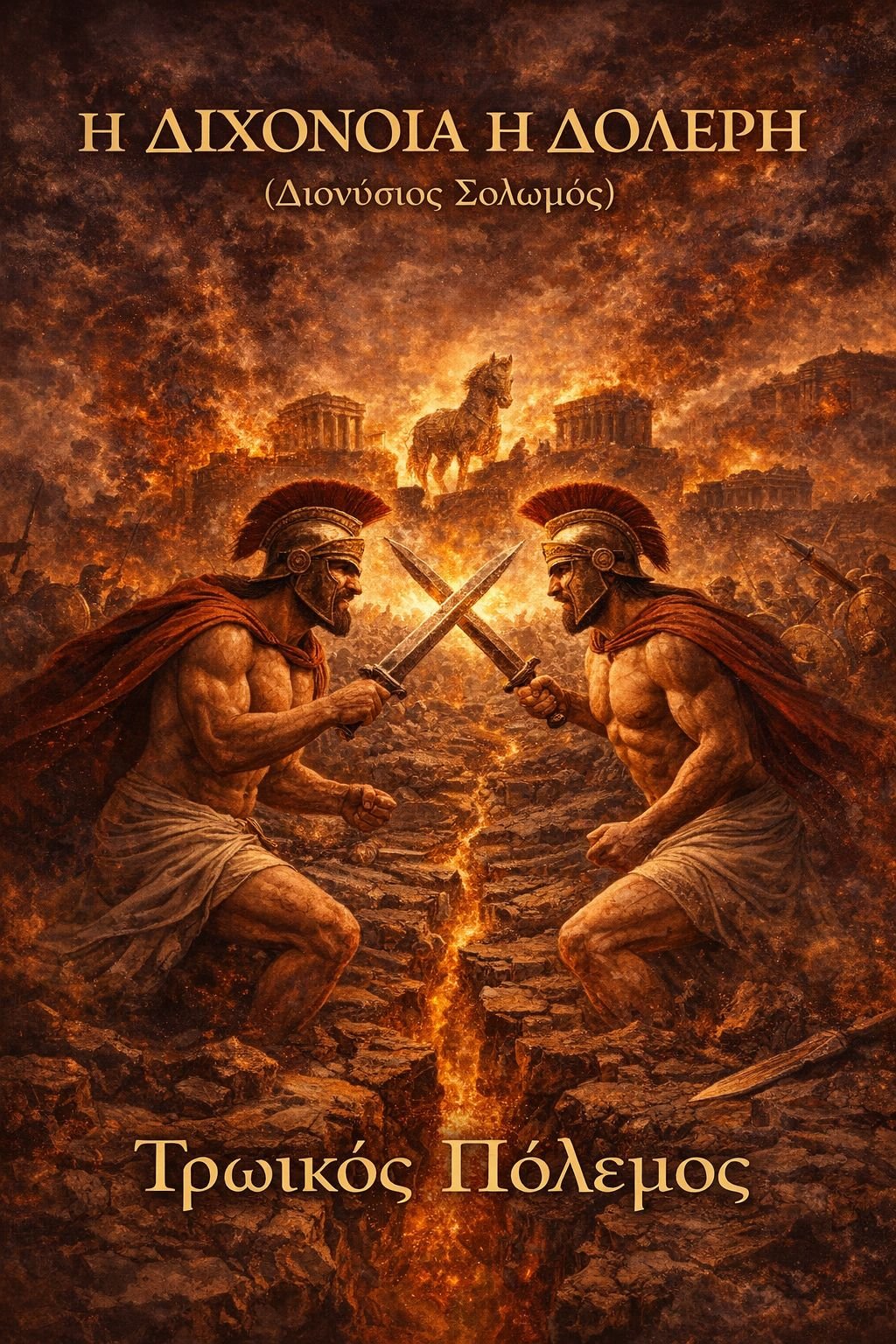
1. The Trojan War – The First Civil War of Imagination (or History)
• What Happened:
Achaeans against Trojans – same blood, same language, same gods. A war fought for a woman—or for power.
• What was Lost:
Ten years of destruction, the fragmentation of mainland Greece, and the eventual weakening of the Mycenaean world.
• What Could Have Been:
A union of Greek kingdoms into a common cultural and naval axis. We would have been history’s first "United Mediterranean."
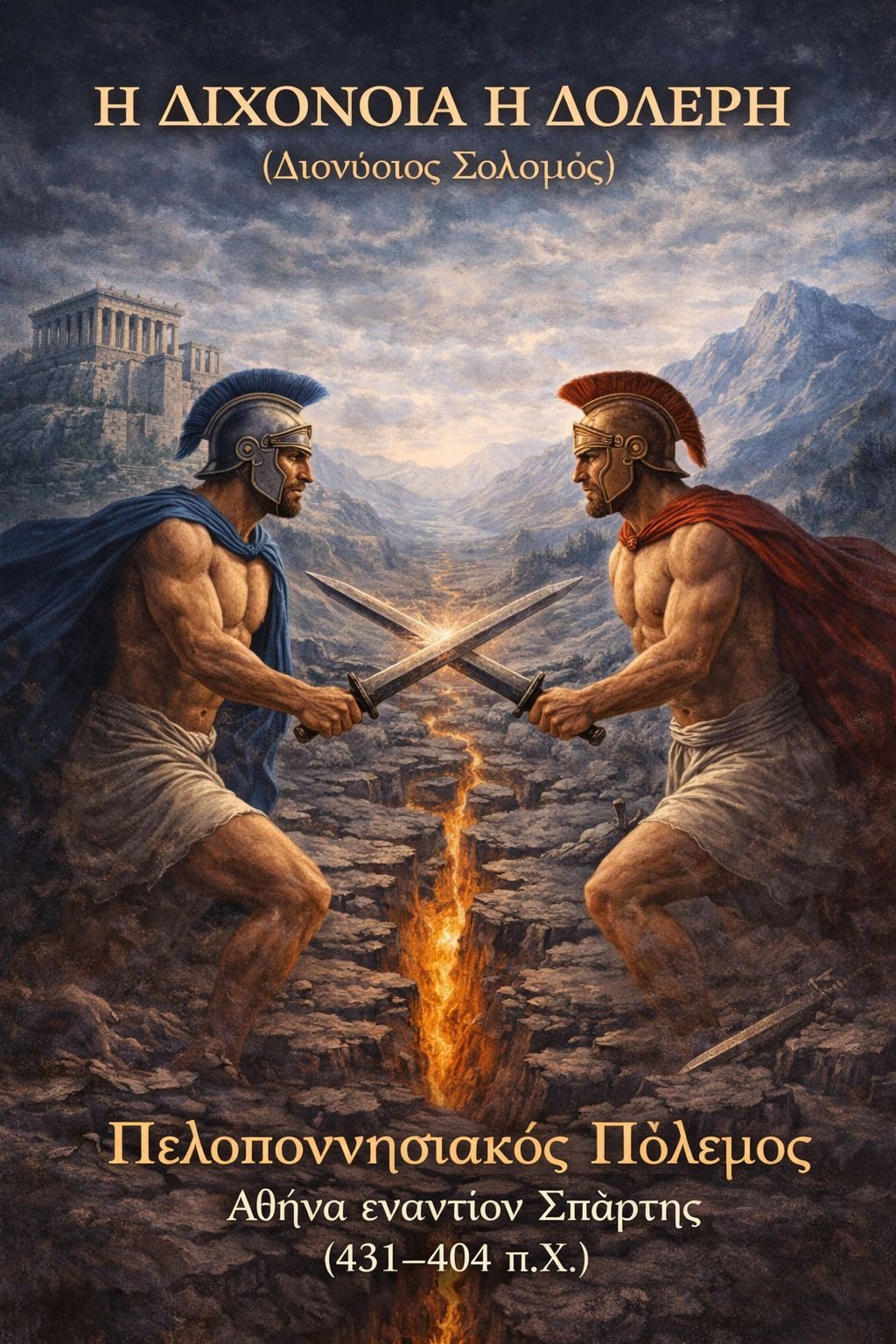
2. The Peloponnesian War – Athens vs. Sparta (431–404 BC)
• What Happened:
The two most powerful Greek city-states destroyed one another, dragging allied Greek cities from both sides into a devastating conflict.
• What was Lost:
The hope for political unity and cultural continuity. This internal exhaustion paved the way for the rise of the Macedonians—a Doric Greek tribe—under Philip II. However, Philip, instead of dismantling Greece, unified it for the first time with a common vision and a perspective oriented toward the East.
• What Could Have Been:
A confederation of Greek city-states with Athens as its capital. Pericles had already laid the foundations. Had we united then, we might have prevented or fundamentally altered the course of Roman dominance.
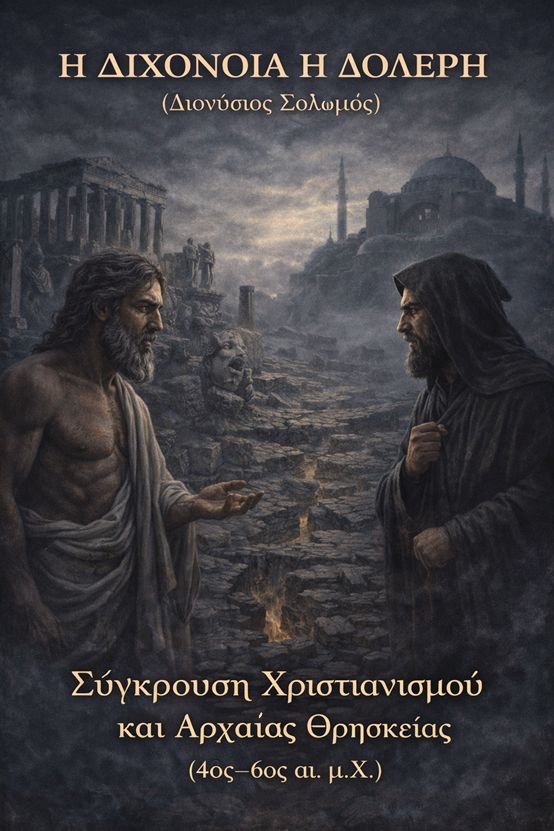
3. The Conflict Between Christianity and Ancient Religion (4th–6th Century AD)
• What Happened:
Greeks were divided into "idolaters" (pagans) and Christians. Masterpieces of art were destroyed, temples were demolished, and invaluable wisdom was lost in the fires of intolerance.
• What was Lost:
The continuity of philosophical thought and scientific discourse. The great Schools of Athens and Alexandria were silenced, leaving a vacuum where reason once flourished.
• What Could Have Been:
Instead of a violent clash, a synthesis of ancient wisdom and new faith. We could have become the spiritual and intellectual lighthouse of Europe centuries before the actual Renaissance.
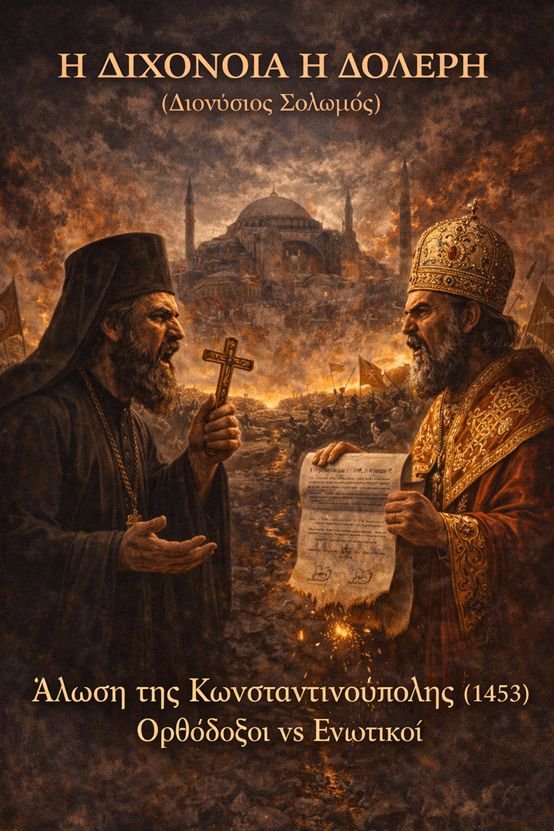
4. The Fall of Constantinople (1453)
• What Happened:
The City fell, but not solely to the Ottomans. Internally, deep divisions prevailed: Orthodox vs. Unionists (those favoring union with the Catholic Church), widespread poverty, corruption, and a sense of defeatist indifference.
• What was Lost:
The Byzantine Empire—the stronghold of Hellenism for over a thousand years.
• What Could Have Been:
Had there been unity, the City might have held out. Hellenism could have potentially evolved into a modern state as early as the 16th century, retaining its seat of power and cultural influence.
5. The Revolution of 1821 – Glory and Civil Wars
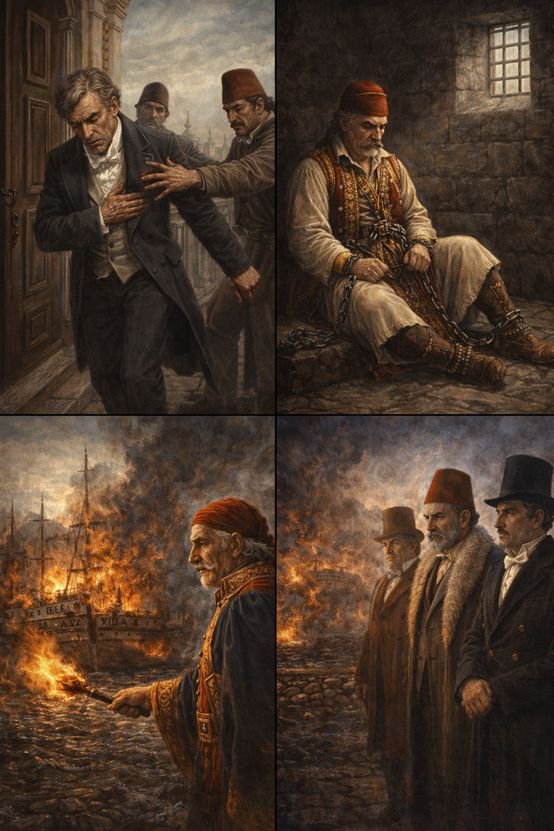
• What Happened:
While fighting for freedom against the Ottomans, we turned against each other in two civil wars (1823 and 1824). Great heroes were imprisoned, and Theodoros Kolokotronis—the leading military figure—was persecuted by his own countrymen.
• What was Lost:
The momentum of the Revolution nearly vanished. Despite the discord, the struggle survived thanks to the sheer stubbornness of the fighters, the people's profound faith in Liberty, and the political coordination of visionaries like Ioannis Kapodistrias. The Battle of Navarino eventually secured, in international terms, a freedom that had already been won with blood.
• What Could Have Been:
Had we maintained unity, we might have established a sovereign state without the need for Bavarian regents, crippling loans, and foreign dependencies. The Greece of 1830 could have achieved the progress and stability of the Greece of 1900.
6. The National Schism – Venizelos vs. Constantine (1915–1917)
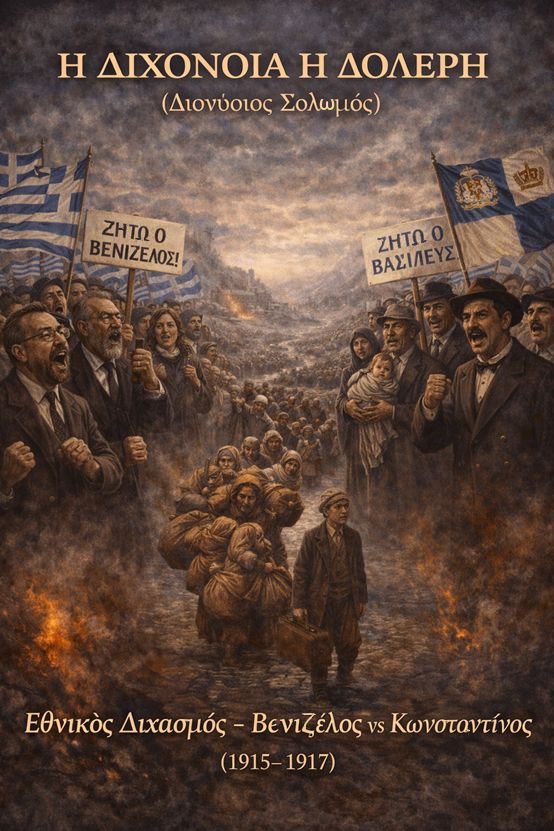
• What Happened:
The King and the Prime Minister clashed over Greece's stance in World War I. The country was split in two—both politically and literally, with two separate governments.
• What was Lost:
A unified national policy. The Asia Minor Catastrophe followed just a few years later, a direct consequence of the instability and the deep rift that had opened in the heart of the nation.
• What Could Have Been:
Had there been cooperation, Greece might have managed the Asia Minor and Pontus issues differently—perhaps preventing the massive refugee crisis and the uprooting of Hellenism in 1922.
7. Civil War after WWII (1946–1949)
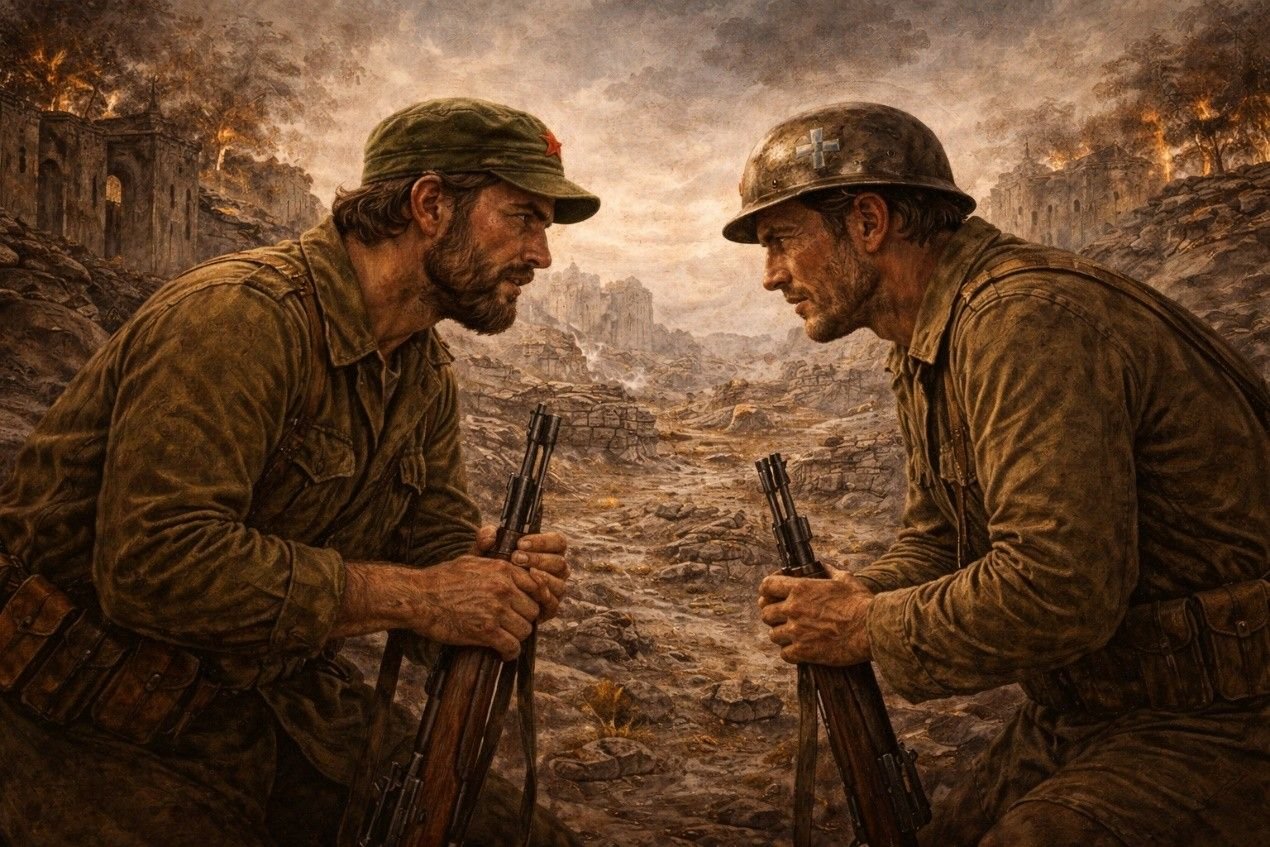
• What Happened:
Following the epic victory in the Albanian front and the heroic Resistance, Greeks turned their weapons against each other. The heroes of 1940 found themselves on opposing sides of a brutal divide.
• What was Lost:
Thousands of lives, the nation’s morale, and a generation's hope. Instead of reconstruction, the aftermath brought exile, crushing poverty, and mass emigration.
• What Could Have Been:
Greece could have emerged as the leading power in the Balkans. We could have built a sovereign state rooted in the values of the National Resistance, remaining truly independent and free from the influence of any "Foreign Power Centers."
8. The Modern Schism of the "Metapolitefsi" – Discord without Weapons (1974–Today)
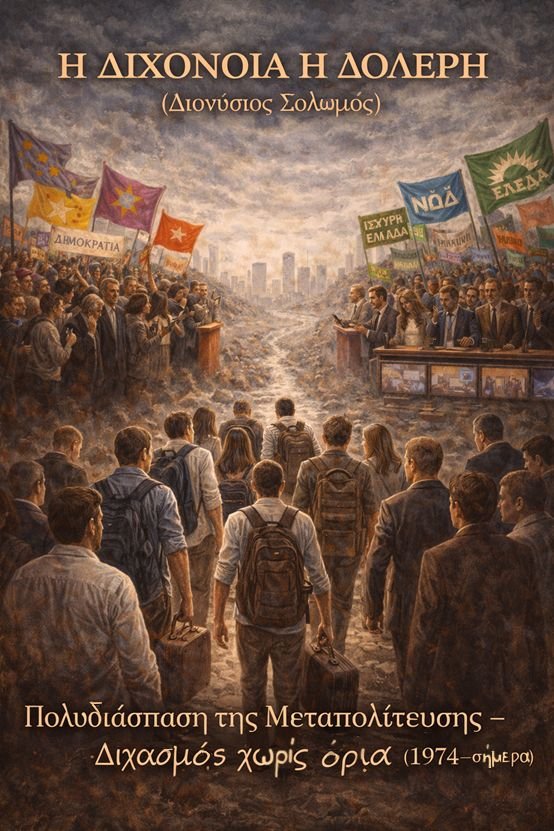
• What Happened:
Society was split into "Left" and "Right," into "traitors" and "patriots." The 2010 financial crisis revealed the wound again: we could not agree even on the obvious.
• What was Lost:
Two generations lost to the "brain drain," emigration, and deep-seated suspicion.
• What Could Have Been:
With a unified national strategy, the Greece of today could have been the educational, technological, and energy hub of the Eastern Mediterranean.
And Now? Now we have knowledge. And we have responsibility. Our youth must see the pattern: Every time we divided, we lost. Every time we united, we achieved greatness. We don’t need to agree on everything. We simply need to remember that we are all in the same boat.
Epilogue
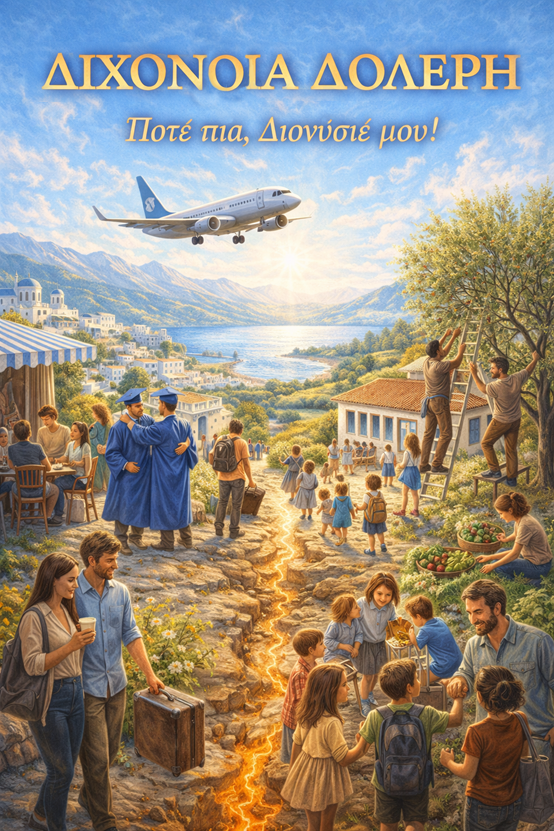
Instead of sacrificing Iphigenia, let us sacrifice Egoism. We must never sacrifice our "Iphigenia" again—the inherent strength (Iphis) of our race. Instead of blood, let us sacrifice our egoism, our intolerance, and our fanaticism. Only then will the children of Greece stop growing up in "opposing camps" and start building on common ground.